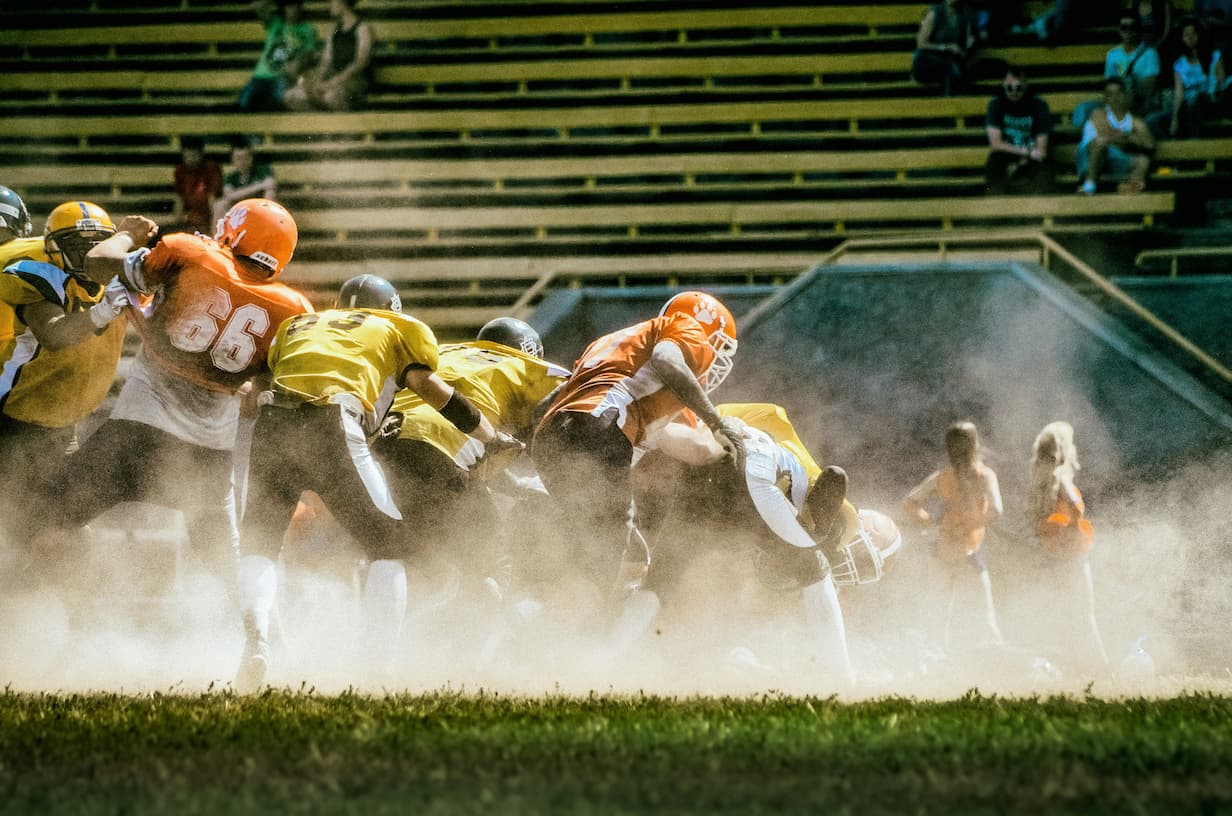
Sports betting is not a new phenomenon—after all, the model has existed since ancient times. And it has always been primarily about one thing: the emotions of the bettors. Many are unaware that psychology plays such a significant role in sports betting. This article explores how emotions and betting are interconnected and what one should be cautious about. But do not worry to much during your next session at 22Bet.
The History of Sports Betting
As long as there has been competitive sports, there has also been sports betting. Historical records indicate that the ancient Greeks held the Olympic Games as early as 676 BC, where visitors placed bets. Since then, there have been significant developments in this industry.
With new betting providers emerging in 2024, there are numerous options available! The possibilities are continually expanding. Whereas it was once only possible to bet on the outcome of a competition, today there are many more options available. Additionally, you can bet on a variety of sports. New betting providers offer a wide range, from classic football to volleyball and even e-sports. The world of sports betting is well-established.
Psychology and Sports Betting – An Inextricable Pair

Anyone who enjoys placing a sports bet knows the feeling: one wins or loses, and suddenly emotions take over—this can happen both positively and negatively. This clearly shows that one cannot completely disengage from their psyche when placing sports bets.
Sports betting falls under the umbrella of gambling. However, it is a particularly intense form of it. Psychologists attribute this to several factors:
– Thanks to digitalization, sports bets can be placed anytime and from anywhere.
– There is often a certain familiarity with the athletes, as one may be a fan or have followed a club for a long time.
– If someone plays football themselves, they are more likely to place a bet on football, as there exists a special connection.
It is also essential to note that individuals who place sports bets or engage in other forms of gambling often quickly overestimate themselves after winning. This gives them the incentive to continue playing—a vicious cycle can begin. Conversely, after a loss, frustration is often high. This leads one to want to recoup the lost money, which can result in getting caught in an endless cycle.
Another scenario where emotions are notably present is when one comes close to winning. Due to this short distance to a win, many think they will succeed next time.
Beware of Emotions in Gambling!
As can be seen, emotions are an integral part of sports betting and other forms of gambling. However, it is up to the player to exercise restraint. It is important to find a healthy balance. If one notices they are becoming too emotional, they should distance themselves for a moment. Sometimes, simply setting the computer or phone aside and taking a breath of fresh air is enough to clear one’s head.
Furthermore, those who tend to be risk-prone should exercise caution. Particularly in stressful situations, impulsive decisions can lead to significant losses.