In-play betting, sometimes called live betting, is one of the most exciting parts of sports wagering. The fast pace and constant shift of odds make it a thrill for both casual fans and experienced bettors. Platforms like TonyBet Casino make this experience smoother. But the real challenge often lies within the bettor’s own mind and body. Every second counts. That constant pressure can trigger powerful stress responses.
How Stress Shapes Reactions During Bets
When individuals make live bets, their organisms respond almost the same as during high-stress situations in real life. The heart starts to pump faster. Breathing gets faster. Adrenaline floods the body. This stress reaction is the natural way of the body to get ready for rapid movement. For a moment, it enhances a person’s ability to concentrate. But if it continues for too long, it can be a distortion of judgment. A gambler might suddenly want to take action very quickly. It could be that waiting is the cleverest move, but then again, stress is usually the dominant feeling.
This mixture of thrill and fear is shifting the perception of risk in a person’s mind. Many players in a stressed situation are taking the way of impulsive decisions. These are emotional rather than logical. When the game goes wrong, the brain immediately responds. It tries to lose the control by making more bets. This is not always a logical act. It frequently happens to be merely a way to unwind or to keep “in the game.”
The Emotional Rollercoaster of Live Betting
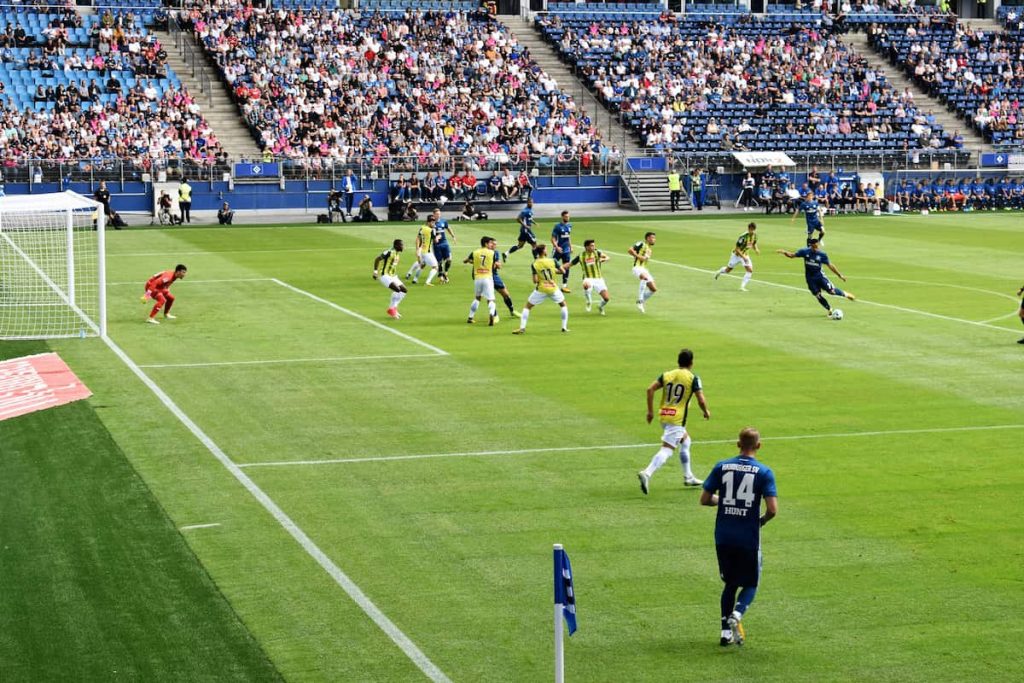
In-play betting is a constant wave of ups and downs. When a team scores, bettors feel a burst of joy and confidence. When odds turn against them, disappointment hits fast. These sharp emotional swings can cause the body to release cortisol. This is the main stress hormone. Over time, high cortisol levels can make concentration harder. They also push bettors toward riskier actions.
The Role of Focus and Fatigue
Live betting often runs alongside long matches. That adds another layer of strain. When the brain stays alert for long periods, it starts to tire. Fatigue leads to slower reactions and less accurate thinking. It increases stress, which then creates a loop. Stress causes tiredness, and tiredness makes stress harder to manage. In this state, bettors are more likely to overlook details. They bet on instinct instead of insight.
No wonder breaks, water, and gentle breathing have a significant impact. Taking simple measures like moving out for a while or concentrating on breathing rhythmically support the resetting of the body’s stress mechanism. They also bring back the power of thinking.
Learning to Manage Stress Responses
Every bettor experiences stress. What matters is how it is handled. The key lies in self-awareness and pacing. Not every opportunity in live betting must be taken. Slowing down thought processes helps the mind separate excitement from reasoning. With consistent practice, bettors begin to recognize the signals their bodies send. They learn to calm them before making a move.