Art auctions have always been thrilling. The final bid, the rising tension, and the sudden fall of the auctioneer’s hammer create a drama that rivals sports. But today, prediction markets are adding a new layer — betting. People now wager not only on who buys what but also on how much the artwork will sell for. It’s a mix of art, analytics, and speculation that’s turning high-profile sales into spectator events at platforms like 22Bet login.
Where Art Meets Numbers
The idea of betting on art may sound odd. After all, art is emotional, not statistical. Yet, price prediction platforms are blending economics and psychology to forecast outcomes. Analysts study artist reputation, auction house trends, and recent sales. They build models, crunch data, and compare expectations. This approach mirrors financial markets, where traders predict stock movements. Only here, the stock is a painting, and the payout depends on human taste.
The Rise of Auction Wagering Platforms
New platforms now allow users to place small bets on major auction results. Imagine a sale at Sotheby’s where a Picasso painting is expected to reach $50 million. Bettors can predict whether it will go higher or lower. These wagers, though unofficial in many regions, mirror the way sports bettors predict game scores. The thrill is similar, except the players are collectors, and the arena is an art hall in London or New York.
The Influence of Pre-Sale Estimates
Every auction starts with an estimate. Experts set a price range based on past sales and current demand. But once bets enter the mix, those estimates become part of the game. When odds shift, it signals how the public perceives value. If the crowd expects the piece to outperform its estimate, it may drive excitement, and sometimes the real bidders follow that trend. In this way, prediction markets may shape the very results they try to guess.
Psychology Behind the Bids
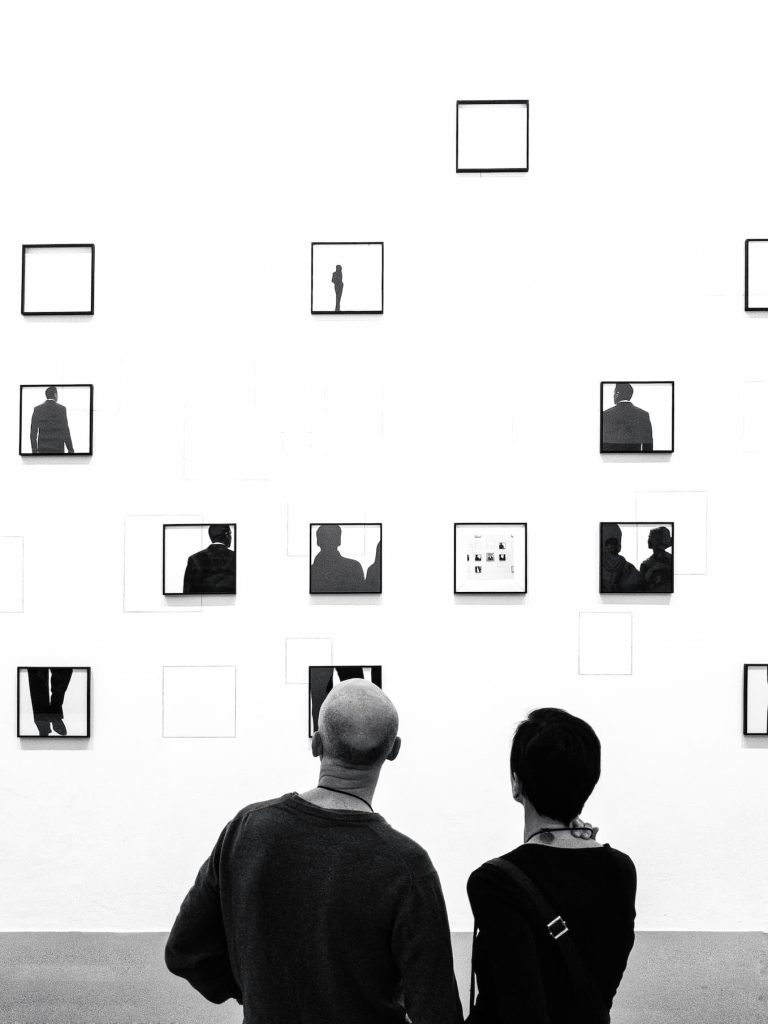
Art auctions are as much about ego as they are about investment. Collectors often pay extra to win. The emotional rush of victory, especially in front of an audience, drives prices beyond logic. Bettors who study behavior can spot these moments. For example, when a known rival is in the room, bids may soar. This mix of pride and desire creates a fascinating puzzle for anyone trying to predict the final number.
Technology Makes It Possible
Artificial intelligence and big data tools are reshaping how people predict art prices. Algorithms scan databases of past auctions to identify trends. They note details like the artist’s career stage, color palette, and even the size of the artwork. These patterns help bettors make smarter guesses. Some apps now combine AI forecasts with community insights, making the process both social and analytical. It’s not far from fantasy sports, but with brushstrokes instead of goals.
Risks and Ethics in Art Betting
Not everyone is thrilled about turning art sales into betting games. Critics worry it might cheapen the experience or influence collectors’ behavior. There’s also a fine line between entertainment and market manipulation. If too many people bet on a specific outcome, it could sway real bidding patterns. Regulation in this area remains unclear, especially since most wagers occur online or through informal pools. Still, responsible prediction markets treat it as a fun, educational challenge, not gambling in the traditional sense.
Famous Auctions That Sparked Betting Buzz
When Leonardo da Vinci’s Salvator Mundi sold for $450 million in 2017, prediction chats exploded. Many guessed it would pass $200 million, but never expected it to double that. Similar trends appeared when Banksy shredded his artwork mid-auction, causing wild swings in predicted value. These events show how quickly sentiment can shift — and why betting on art is never just about logic. It’s about timing, emotion, and surprise.